
What Makes a Great Commercial Coffee Machine Technician: Skills and Qualifications
The quality of the commercial coffee machine technician who services your equipment directly affects its uptime, longevity, and the consistency of every drink you serve. A poor service relationship can turn a premium machine into a chronic source of downtime, while the right technician keeps your equipment running smoothly for years beyond its expected lifespan. Knowing what to look for helps you choose wisely.
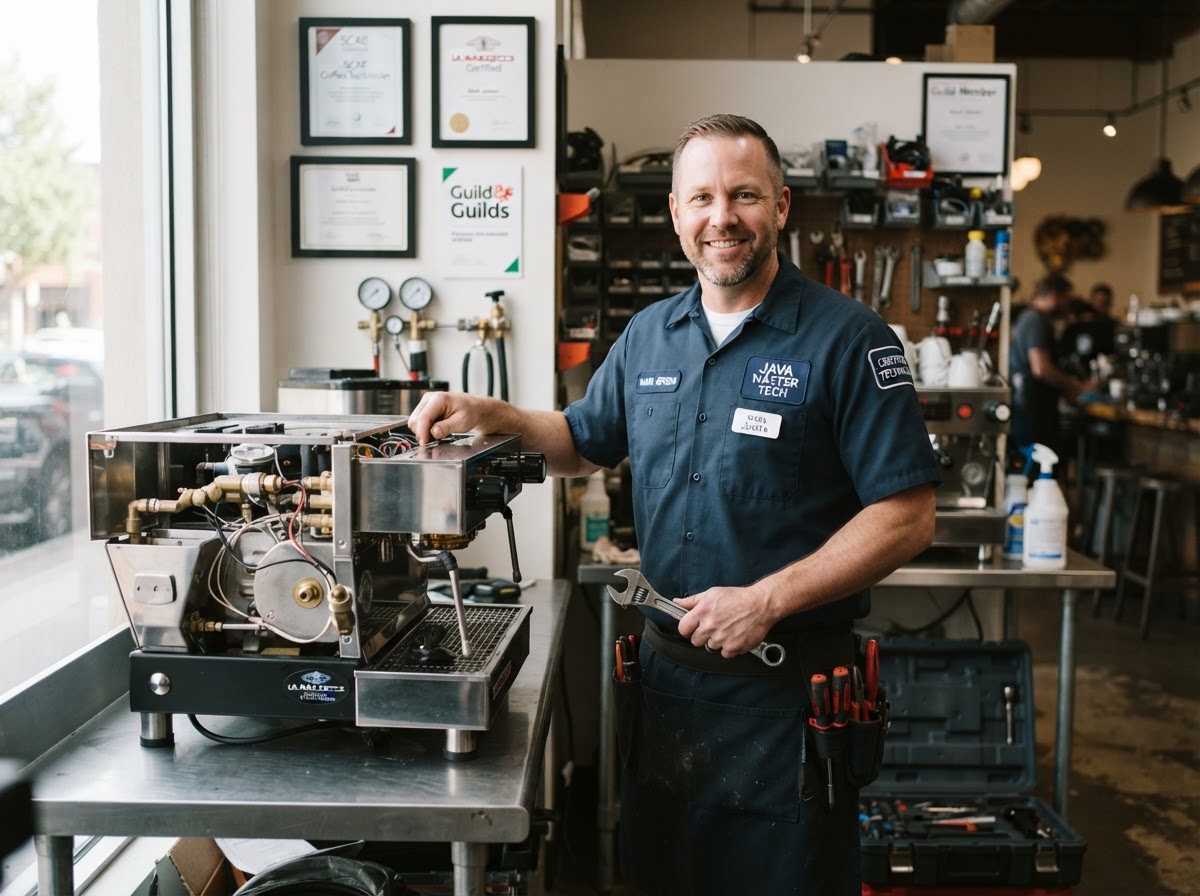
Manufacturer Certifications: Look for technicians trained directly by manufacturers such as La Marzocco, Nuova Simonelli, Eversys, or FETCO. Factory certification means the technician has completed the manufacturer's training program on that brand's specific machines, understands their unique engineering, and has access to OEM parts and technical bulletins. Ask which brands a company is certified on and verify that certifications are current, as some manufacturers require annual recertification.
Diagnostic Skill: A great technician follows a systematic diagnostic sequence rather than guessing. They verify water supply, electrical voltage, and filter condition before opening the machine. They measure brew pressure with a gauge portafilter and brew temperature with a Scace device. This methodical approach isolates the root cause efficiently and avoids unnecessary parts replacement.
On-Van Parts Inventory: Inquire whether technicians carry solenoids, heating elements, gaskets, and pumps on their service vehicles. A well-stocked van allows most repairs to be completed in a single visit. If the technician must order parts after diagnosing, your machine is down for days while the part ships. The best service companies stock parts for all the brands they support and complete most calls on the first visit.
Clear Communication: The best technicians communicate clearly and document their work. After each visit, you should receive a written report listing what was diagnosed, what was repaired, parts used, measurements taken, and recommendations. The technician should explain their work in plain language and answer your questions. Vagueness about what was done is a warning sign.
Insurance and Licensing: Verify that the service company carries liability insurance and workers' compensation coverage. If a technician damages your equipment or is injured on your premises, you need to be protected. Request a certificate of insurance. If your jurisdiction licenses equipment repair technicians, verify the license is current. A professional provider supplies this documentation readily.
References and Retention: Ask for references from other operators who use the same machine brand. A direct conversation with a current customer gives specific insight into response times, repair quality, and billing practices. Ask about technician retention rate; high turnover is a red flag because you want a consistent commercial coffee machine technician who knows your equipment and facility. Building a long-term relationship with a skilled, reliable technician is one of the most valuable partnerships a café operator can cultivate.