
Servicing Hot Water Towers & Sample Roasters in Quality Control Labs
Coffee roaster cupping labs rely on exact water temperature and flow rates to evaluate green coffee samples objectively. The equipment in a quality-control lab, from hot water towers to sample roasters, directly affects the reliability of cupping results. Inconsistent or poorly maintained lab equipment introduces variables that mask the true character of the coffee being evaluated, leading to flawed purchasing decisions and inconsistent roast profiles.
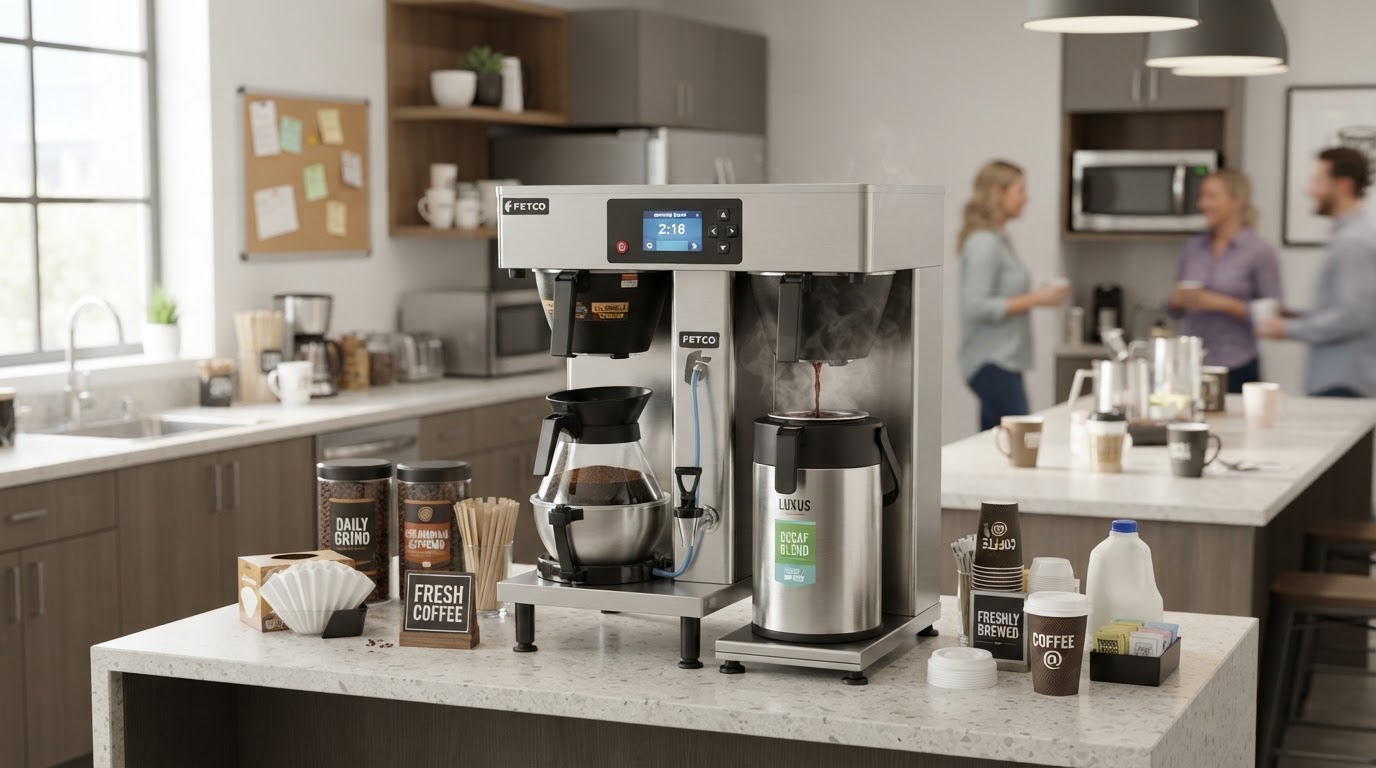
Hot Water Tower Calibration: Precision water delivery systems like Marco or Bunn towers must be descaled and calibrated to within 0.5°C. Cupping standards specify water temperature at 200°F (93°C) at the time of pouring. If the water tower delivers water at even a few degrees off, extraction changes and the cupping scores shift. Verify the tower's actual delivery temperature with a calibrated thermometer at the spout, not just the setpoint on the display. Descale the tower's internal boiler quarterly or per the manufacturer's schedule, and replace the inlet filter cartridge on a gallon-based schedule just as you would for an espresso machine.
Sample Roaster Gas & Airflow Maintenance: Cleaning exhaust flues and burner orifices prevents chaff fires and inconsistent batch thermal transfer. Sample roasters (typically 100g to 500g drum roasters) accumulate chaff in the exhaust system and coffee oil residue on the drum and fan blades. A partially blocked exhaust reduces airflow, changing the roast profile and potentially causing a chaff fire that can damage the roaster or start a larger fire. Clean the chaff collector after every roasting session, inspect and clean the exhaust ducting weekly, and have a technician service the gas burner and orifices quarterly to ensure consistent flame and heat input.
Water Standard Consistency: Cupping labs require standardized mineral profiles to match SCAA water standards across global origin samples. The Specialty Coffee Association specifies cupping water at 150 ppm TDS with a specific mineral balance. Using non-standard water means cupping results cannot be compared across labs or across time. Install a dedicated water treatment system for the lab that produces consistent SCA-standard water, and verify the output with a TDS meter and hardness test kit regularly. If you cup at multiple locations or send samples to other labs, document the water standard used so results are comparable.
Drum & Roaster Cleaning: The sample roaster drum accumulates coffee oils that carbonize onto the drum wall over hundreds of roasts. This carbonized layer can flake off into batches, imparting a burnt or smoky off-flavor to samples. Run a cleaning cycle with a sacrificial batch of cheap green coffee or rice monthly to absorb oil residue, or have the drum professionally cleaned during scheduled service. Inspect the drum for warping, the door seal for leaks, and the trier (sample spoon) for smooth operation. A leaking door seal changes airflow and roast consistency.
Grinder & Equipment Calibration: Lab grinders used for cupping sample preparation must produce a consistent particle size. The SCA cupping protocol specifies a specific grind size (70-75% of particles passing through a US Standard #20 sieve). Verify your lab grinder's output with a sieve set periodically, and recalibrate or replace burrs when the particle distribution drifts. Other lab equipment, including scales, thermometers, and timers, should be calibrated against known standards at least annually. A scale that drifts by even half a gram per cupping bowl changes the coffee-to-water ratio and affects extraction.
Cupping Table & Environment: The physical cupping environment affects results. Ensure the cupping table is well-lit with natural-spectrum lighting so roast color and liquor appearance can be evaluated accurately. Maintain a consistent ambient temperature; a cold room cools the cupping bowls faster, changing the flavor evaluation timeline. Keep the lab free of strong odors from food, cleaning chemicals, or roasting exhaust, as these interfere with olfactory evaluation. Clean all cupping bowls, spoons, and spittoons with hot water and a fragrance-free detergent after every session.
Record-Keeping & Traceability: Maintain detailed records of every cupping session, including the water standard used, water temperature, grind setting, roast profile, and equipment calibration status. This traceability allows you to compare results across time and identify when equipment drift begins affecting scores. If a previously high-scoring lot suddenly cups lower, the first question should be whether the equipment has changed, not whether the coffee has changed. Systematic record-keeping separates equipment variables from coffee variables.
Scheduled Lab Service: Just as with café equipment, establish a quarterly service schedule for all lab equipment. A qualified technician can calibrate the water tower, service the sample roaster, check the grinder burrs, and verify all measurement instruments. Budget for this service as part of your quality-control program; the cost of lab equipment maintenance is small compared to the cost of making purchasing decisions based on unreliable cupping data.